Claim Free Estimates Today
5 Costly Deck Building Mistakes to Avoid for a Perfect Backyard Investment
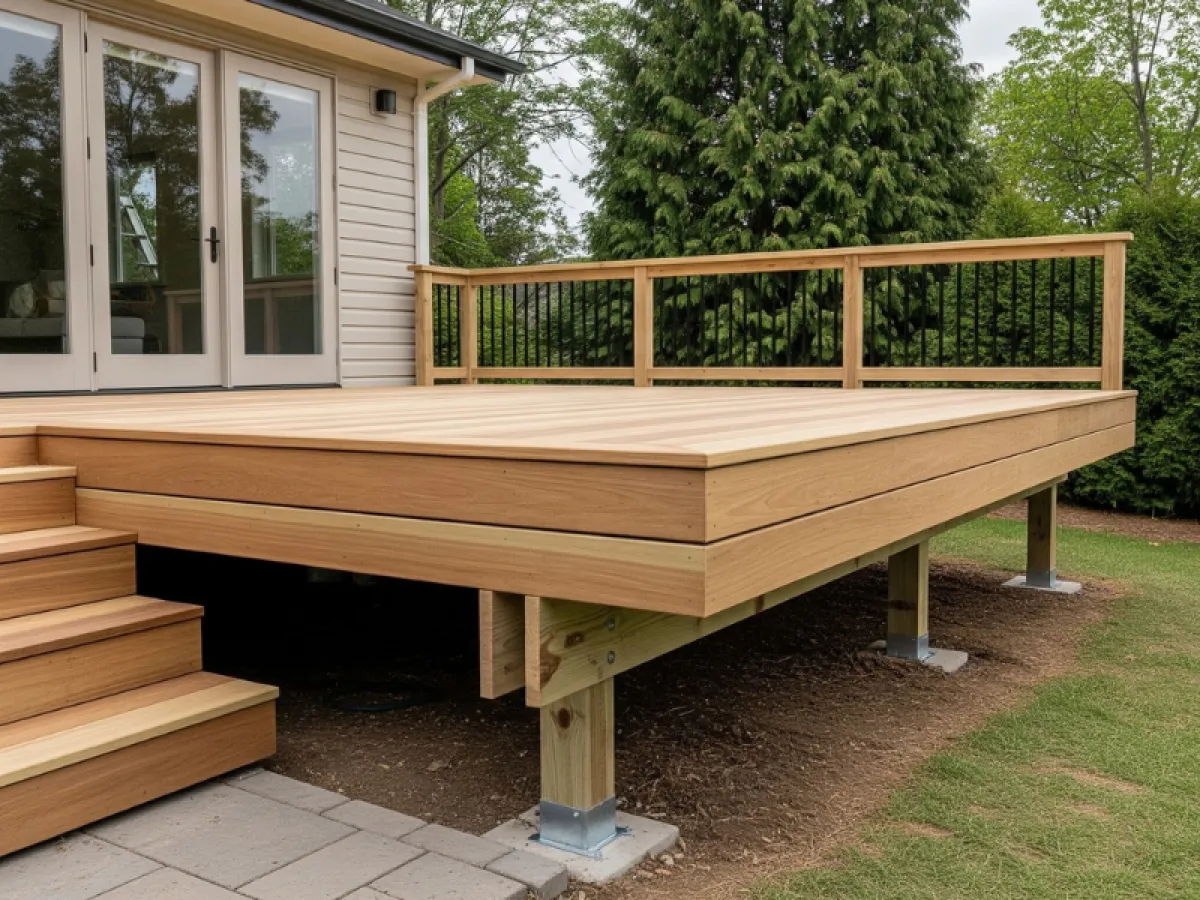
Skipping Professional Foundation and Structural Planning
Many homeowners underestimate the importance of proper foundation work and framing before a single deck board goes down. The temptation to skip professional assessment or cut corners on footings and support beams often stems from a desire to save on upfront costs. However, inadequate foundation planning leads to structural failure, sagging decks, and dangerous collapse risks that far exceed any initial savings.
In Waukee and throughout central Iowa, freeze-thaw cycles place exceptional stress on deck foundations. Footings must extend below the frost line (typically 42 inches in Iowa) to prevent heaving and shifting during winter months. When you skip this critical step or rely on surface-level supports, your deck will move, crack, and potentially separate from your home within just a few seasons.
Before construction begins, work with a qualified home improvement contractor who understands local soil conditions and building code requirements. Proper planning includes soil testing, calculating load-bearing requirements based on your deck’s size and intended use, and positioning footings correctly. Professional structural planning also accounts for ledger board attachment to your home, ensuring water does not infiltrate behind siding and cause hidden rot. The foundation determines your deck’s lifespan, so investing in this phase protects everything that follows.
Choosing the Wrong Decking Material for Your Climate
Material selection drives both the upfront investment and long-term maintenance costs of your deck. Homeowners frequently choose materials based solely on initial price or aesthetic appeal without considering how different products perform in Iowa’s variable climate. This oversight results in premature warping, splitting, fading, and the need for full replacement years earlier than expected.
Central Iowa experiences temperature swings from below zero in winter to above 90 degrees in summer, along with significant humidity and precipitation throughout the year. Traditional pressure-treated lumber requires annual maintenance and remains vulnerable to moisture damage despite chemical treatment. Cedar and redwood offer natural beauty but demand consistent sealing to prevent weathering. Composite materials provide durability and lower maintenance but vary widely in quality, with cheaper options prone to fading and heat retention that makes surfaces uncomfortable during summer months.
Evaluate materials based on total lifecycle cost rather than purchase price alone. Calculate maintenance time and product expenses over a 10 to 15-year period. A deck contractor familiar with regional conditions can recommend materials proven to withstand Iowa weather while meeting your budget and design preferences. Consider factors like slip resistance for family safety, heat absorption if you walk barefoot, and warranty coverage that actually protects your investment. The right material choice eliminates recurring headaches and preserves your backyard value.
Ignoring Proper Drainage and Water Management
Water is the single greatest threat to deck longevity, yet drainage often receives minimal attention during planning and construction. Standing water, inadequate spacing between boards, and poor grading beneath the deck create environments where rot, mold, and structural deterioration thrive. These problems remain hidden until damage becomes severe, requiring expensive repairs or complete rebuilding.
Your deck needs deliberate slope away from your home (typically one-quarter inch per foot) to shed rainwater effectively. Board spacing must allow water to pass through while preventing debris accumulation that traps moisture. The area beneath your deck also requires proper grading to direct water away from footings and foundation walls. Many Waukee homeowners discover too late that clay-heavy soil common in this region holds water against deck supports, accelerating wood decay even when the visible deck surface appears fine.
Address drainage during the design phase, not as an afterthought. Ensure your builder installs flashing where the ledger board attaches to your home, creating a waterproof barrier that protects both structures. Consider adding a drainage system beneath the deck if your yard slopes toward your foundation or if the space below will be used for storage or living area. Proper ventilation under the deck prevents moisture buildup that shortens material life. A qualified general contractor will integrate these elements into your project plan, protecting your investment from water damage that undermines even the best materials and craftsmanship.
Using Improper Fasteners and Installation Techniques
The fasteners connecting your deck components determine structural integrity and surface appearance for the life of your outdoor space. Homeowners and inexperienced builders frequently use incorrect screws, nails, or installation methods that lead to board movement, protruding fastener heads, rust staining, and even structural failure. These problems emerge gradually, turning what should be a durable surface into a maintenance nightmare.
Different decking materials require specific fastener types and installation techniques. Composite decking demands stainless steel or coated screws that won’t corrode or create unsightly streaks. Hidden fastener systems provide clean surfaces without exposed screw heads but require precise installation to function properly. Traditional wood decking benefits from ring-shank or spiral-shank nails that resist withdrawal as lumber expands and contracts through seasonal changes. Using standard screws or incorrect spacing causes boards to cup, split, or pull loose over time.
Professional installation ensures fasteners match your material specifications and local building codes. Proper techniques include pre-drilling holes in dense hardwoods to prevent splitting, countersinking screws to the correct depth, and spacing fasteners according to manufacturer requirements. Joist hangers, beam connections, and railing attachments all require grade-appropriate hardware installed at precise intervals. When you work with an experienced home improvement contractor, these details receive the attention they deserve. Correct fastener selection and installation may seem like minor considerations, but they directly impact your deck’s safety, appearance, and resistance to Iowa’s demanding weather conditions.
Neglecting Code Compliance and Permit Requirements
Building codes and permit requirements exist to ensure structural safety, protect property values, and maintain community standards. Yet many homeowners attempt deck projects without proper permits or code compliance, believing they can avoid fees and inspections. This decision creates serious consequences including fines, mandatory teardown and rebuilding, insurance claim denials, and complications when selling your home.
Waukee and surrounding municipalities enforce specific requirements for deck construction based on size, height, and proximity to property lines. Railing height, baluster spacing, stair dimensions, and load-bearing capacity all have minimum standards that protect your family and guests. Electrical work for lighting, structural attachments to your home, and setback distances from lot boundaries require professional review. When you skip permitting, you assume liability for any accidents or injuries that occur on a non-compliant structure, potentially voiding your homeowner’s insurance coverage.
Begin every deck project by researching local permit requirements and building codes. A licensed deck contractor handles this process routinely, obtaining necessary permits, scheduling inspections, and ensuring all work meets or exceeds code standards. Inspections verify that your foundation, framing, decking, and railings provide safe outdoor living space built to last. Compliance protects your investment and provides documentation that adds value when you eventually sell your home. The modest cost of permits and professional installation delivers long-term security that far outweighs any perceived savings from unpermitted work.